


What is a Digital Electricity Meter? A Comprehensive Guide for Londian
Introduction to Digital Electricity Meters
In today’s rapidly evolving energy landscape, digital electricity meters have become indispensable tools for both utility providers and consumers. A digital electricity meter, also known as a smart meter or electronic meter, is an advanced device that measures and records electrical energy consumption in a digital format, replacing traditional electromechanical meters. Unlike their analog predecessors, these intelligent devices offer precise, real-time monitoring of electricity usage while enabling two-way communication between consumers and utility companies.
For Londian’s clients and partners seeking to modernize their energy infrastructure, understanding digital electricity meters is crucial. These devices represent more than just measurement tools—they form the foundation of smart grid technology, energy efficiency programs, and data-driven decision making in power management.
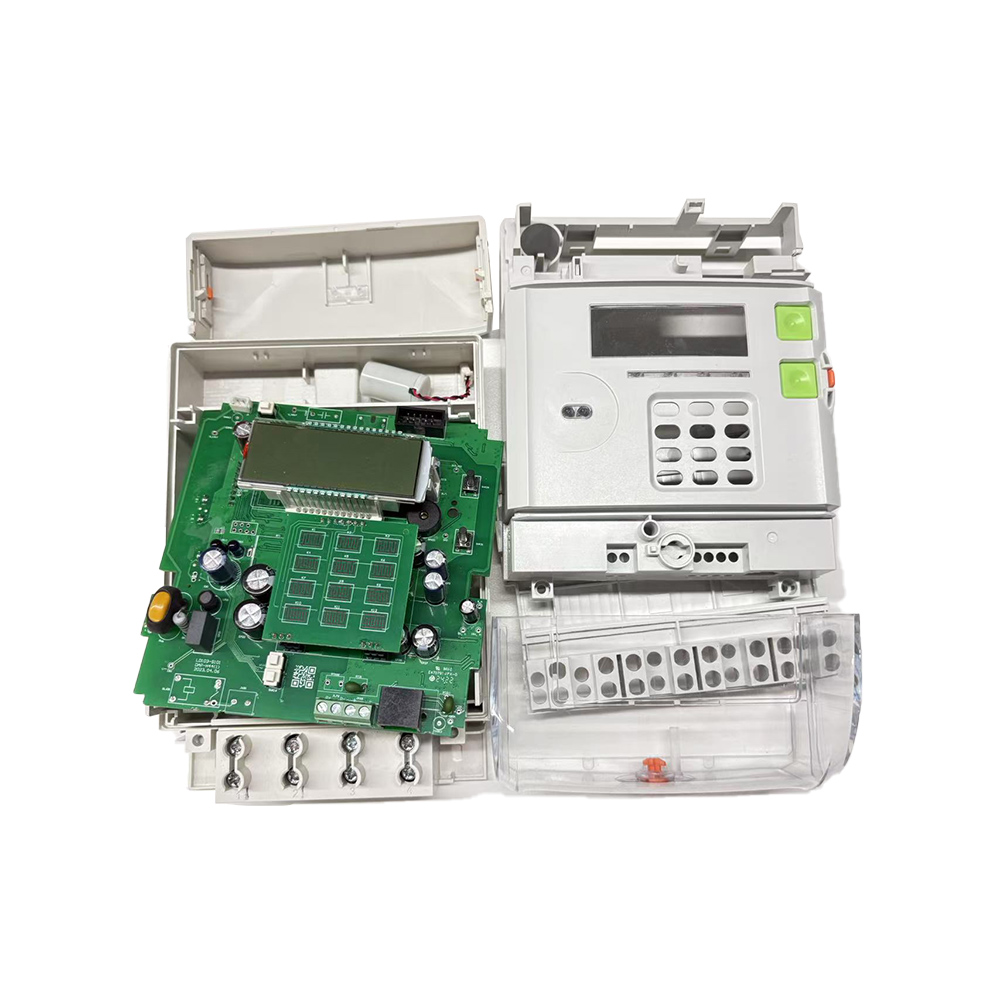
How Digital Electricity Meters Work
Core Components and Technology
Digital electricity meters consist of several key components that work together to measure and communicate energy data:
- Current and Voltage Sensors: These components detect the actual electrical parameters in the circuit with high precision.
- Analog-to-Digital Converter (ADC): Converts the measured analog signals into digital data for processing.
- Microcontroller Unit (MCU): The “brain” of the meter that calculates energy consumption based on the digital inputs.
- Memory Storage: Stores consumption data, often with time-stamped records for detailed analysis.
- Communication Module: Enables data transmission to utility providers and sometimes to consumer displays (wired or wireless).
Measurement Principle
Unlike traditional electromechanical meters that use rotating discs to measure power consumption, digital meters employ solid-state technology. They sample current and voltage waveforms at high frequencies (typically several thousand times per second) and use digital signal processing to calculate:
- Instantaneous power (P = V × I × power factor)
- Cumulative energy consumption (kWh)
- Other parameters like voltage sag, swell, and harmonic distortion
This sampling method provides far greater accuracy than mechanical systems, especially under varying load conditions and with non-linear loads common in modern electrical systems.
Key Features and Advantages of Digital Electricity Meters
1. Enhanced Accuracy and Reliability
Digital meters eliminate the mechanical wear and calibration drift issues associated with traditional meters. Their solid-state design maintains accuracy over time and across different load conditions, typically within 0.5-1% compared to 2-3% for electromechanical meters. This precision ensures fair billing and helps identify system inefficiencies.
2. Advanced Metering Infrastructure (AMI) Capabilities
Modern digital meters form part of AMI systems, offering:
- Automated Meter Reading (AMR): Eliminates manual readings and estimated bills
- Two-way Communication: Allows remote configuration, firmware updates, and demand response signals
- Time-of-Use (TOU) Pricing Support: Enables dynamic pricing models that encourage off-peak consumption
- Remote Connect/Disconnect: Enhances operational efficiency for utilities
3. Detailed Energy Consumption Data
Digital meters provide granular data that empowers consumers and utilities:
- Real-time and historical consumption patterns
- Load profile analysis (typically in 15-minute to 1-hour intervals)
- Identification of energy-intensive periods or devices
- Power quality monitoring (voltage fluctuations, harmonics)
4. Integration with Smart Grids and IoT
As critical components of smart grids, digital meters:
- Support distributed energy resources (solar PV, EVs, storage)
- Enable demand-side management programs
- Facilitate outage detection and restoration monitoring
- Integrate with home energy management systems and IoT devices
Applications Across Different Sectors
Residential Applications
For homeowners, digital electricity meters:
- Provide visibility into energy usage patterns
- Enable cost savings through behavior modification
- Support net metering for solar power systems
- Allow prepaid electricity options in some markets
Commercial and Industrial Use
In business environments, these meters offer:
- Sub-metering capabilities for tenant billing or department costing
- Power quality monitoring to protect sensitive equipment
- Load profiling for capacity planning
- Verification of energy efficiency measures
Utility-Scale Benefits
For energy providers like Londian’s utility partners, digital meters:
- Reduce operational costs (meter reading, field services)
- Minimize revenue losses from theft or inaccuracies
- Improve outage management and response times
- Enable innovative rate structures and services
- Support regulatory compliance and reporting
Technical Specifications and Standards
Digital electricity meters must comply with various international and regional standards:
- IEC 62052/62053: International standards for electricity metering equipment
- ANSI C12: American national standards for meter accuracy and performance
- MID (Measuring Instruments Directive): Essential for meters in the European Union
- Accuracy Classes: Typically Class 0.5, 1, or 2 for active energy measurement
Key technical parameters include:
- Voltage and current measurement ranges
- Communication protocols (DLMS/COSEM, Modbus, Zigbee, etc.)
- Data storage capacity and interval settings
- Environmental specifications (temperature, humidity, EMI)
The Future of Digital Electricity Metering
Emerging trends that Londian is monitoring include:
- Edge Computing Capabilities: More processing at the meter level
- Blockchain Integration: For peer-to-peer energy trading
- Enhanced Cybersecurity: As critical infrastructure components
- AI-Powered Analytics: For predictive maintenance and consumption forecasting
- 5G Connectivity: Enabling faster, more reliable communications
Conclusion: Why Digital Meters Matter
Digital electricity meters represent a fundamental shift in how we measure, manage, and think about energy consumption. For Londian’s clients, adopting this technology means transitioning from passive energy consumers to active participants in energy management. The benefits—from operational efficiencies to environmental sustainability—make digital meters essential components of modern electrical infrastructure.
As energy systems become more complex with renewable integration and electrification trends, the data and capabilities provided by digital meters will only grow in importance. Londian remains committed to helping organizations navigate this transition with cutting-edge metering solutions tailored to specific needs.