


Precision in Manufacturing: The Evolution of DIN Rail Meter Manufacturing
The global energy landscape is undergoing a profound transformation. Surging demand for energy efficiency, smart grid integration, and decentralized renewables drives this change. Accurate, reliable, and intelligent metering solutions have never been more critical. The DIN rail meter stands at the forefront of this evolution. This compact and versatile device anchors modern energy management systems.
For utilities, commercial building managers, and industrial facility operators, selecting a DIN rail meter manufacturer represents more than a procurement decision. It forms a strategic partnership. This article explores DIN rail meter manufacturing intricacies and explains why Londian represents the industry’s gold standard.
The Anatomy of a DIN Rail Meter
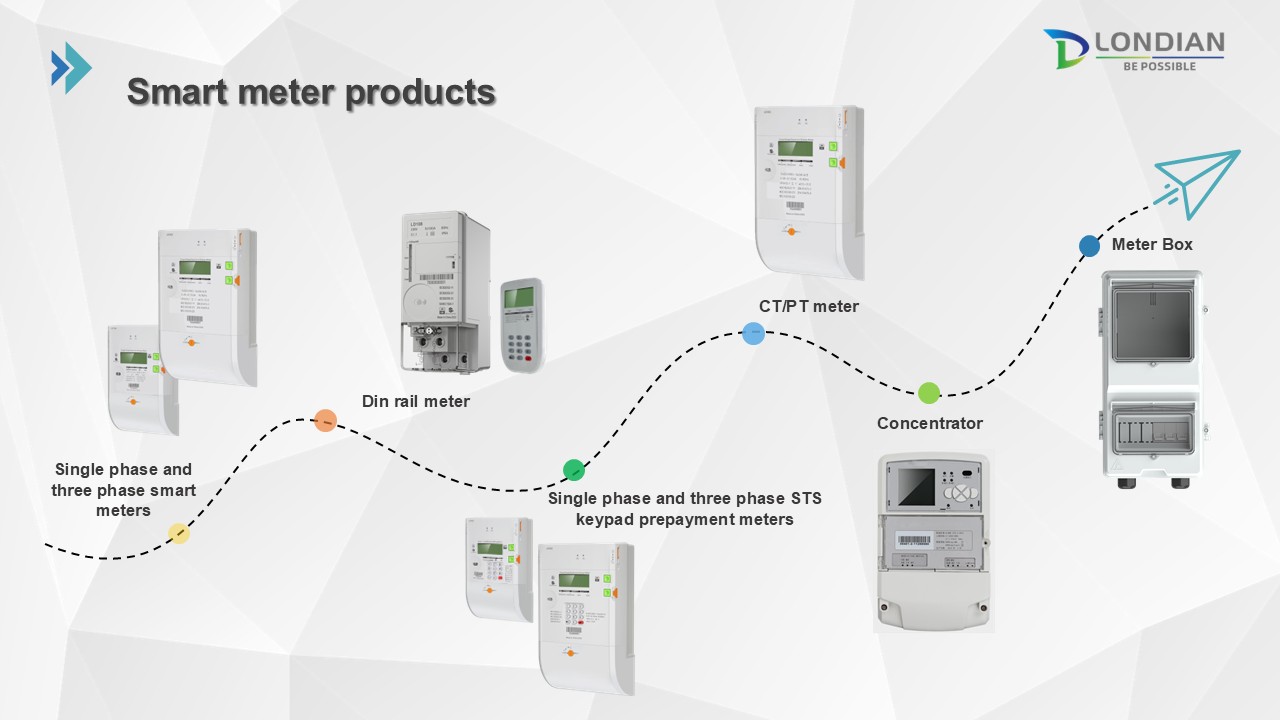
A DIN rail meter is not merely a measuring device. It integrates precision electronics, advanced communication protocols, and robust security features. The “DIN” refers to the standard 35mm rail it mounts on. This design saves significant panel space compared to traditional base-mounted meters. Space efficiency drives their popularity in new construction and retrofit projects.
Core components include a high-precision current sensor, a microcontroller unit for calculation, and power supply circuitry. However, smart features deliver the true sophistication. Today’s meters function as IoT gateways, enabling two-way communication between utilities and end-users. Communication modules like RS-485, PLC, and RF support real-time data transmission and remote monitoring. Security features like anti-tamper mechanisms and AES encryption protect revenue and data integrity.
The Londian Manufacturing Advantage
What distinguishes a premier DIN rail meter manufacturer from an assembler? Precision engineering at scale. Londian, a Shenzhen-based manufacturer with over two decades of experience, exemplifies this. Their 50,000+ square meter facility demonstrates modern industrial manufacturing.
Industry 4.0 and Automation
High-accuracy meter production demands a contaminant-free environment. Londian’s dust-free workshops and fully automated Surface Mount Technology (SMT) lines ensure microscopic components receive robotic placement precision. This high automation minimizes human error. It ensures consistent quality across millions of units and achieves a defect rate below 0.1%. This scale and precision differentiate any DIN rail meter manufacturing plant.
Traceability Through MES
Londian implements a sophisticated Manufacturing Execution System (MES). This system acts as the factory’s central nervous system. It records every component—from microchips to resistors—against a unique serial number for each meter. If a field issue arises, Londian can trace it back to the specific production batch. They can identify the machine that installed the part and the quality control officer who signed off. This traceability maintains long-term reliability and signals serious DIN rail meter manufacturers.
100% Testing Commitment
Unlike some manufacturers who rely on sample testing, Londian subjects every single meter to a 100% full-function test before it leaves the factory. Automated calibration benches use 0.02-class reference standard meters to verify accuracy. This rigorous process ensures every unit meets the promised Class 0.5S or 1.0 specifications.
Global Certifications: The Price of Admission
For billing applications in major markets, certifications are non-negotiable. Londian embeds these compliance requirements into the manufacturing process from day one. They do not treat them as an afterthought.
-
MID (Measuring Instruments Directive): The European market requires MID approval (Directive 2014/32/EU). Londian’s meters hold certificates confirming Accuracy Class B standards, essential for legal metrology.
-
DLMS/COSEM: The Device Language Message Specification (DLMS) is the global standard for smart meter data exchange. Londian has secured DLMS UA certification (DLMS-UA-3423) for its LD108 model, guaranteeing interoperability with utility head-end systems.
-
IEC & ANSI Standards: Compliance with IEC 62052-11 and IEC 62053 standards for alternating current static meters demonstrates expertise. Similarly, adherence to ANSI C12.20 applies for North American markets.
OEM and ODM Customization
A leading DIN rail meter manufacturer does not offer a one-size-fits-all solution. The market demands flexibility. Londian’s OEM (Original Equipment Manufacturing) and ODM (Original Design Manufacturing) services allow extensive customization. They meet specific regional or client needs. Hardware modifications include terminal layouts and communication modules. Firmware customization covers specific tariff structures like Time-of-Use. This flexibility allows energy brands to rapidly bring certified products to market without heavy R&D investment.
Market Context: The Growing Demand
The global DIN rail power meter market is experiencing significant growth. Valued at US1,998millionin2025,itwilllikelyreachUS 3,106 million by 2032. Industrial automation, smart grid expansion, and rising energy efficiency regulations drive this growth. As the market expands, reliable, certified, and technologically advanced DIN rail meter manufacturers become increasingly critical. Complex integration challenges with legacy infrastructure and high initial costs also drive utilities to seek stable, long-term partnerships with proven manufacturers.
Conclusion
DIN rail meter manufacturing demands precision engineering, rigorous quality control, and deep understanding of global compliance standards. Londian represents the pinnacle of this industry. They combine advanced Industry 4.0 manufacturing, global certifications, and unparalleled customization capabilities. For businesses and utilities investing in smart grid infrastructure, partnering with Londian means investing in reliability, security, and long-term performance.