


Electrical Service Meters: A Comprehensive Guide for Londian Company
Introduction
Electrical service meters are essential components in power distribution systems, measuring electricity consumption for residential, commercial, and industrial applications. Londian Şirketi, as a leader in electrical solutions, must understand the latest advancements in metering technology to ensure efficiency, accuracy, and compliance with industry standards. This article explores the types of electrical service meters, their functions, benefits, and future trends—optimized for Google SEO to enhance visibility.
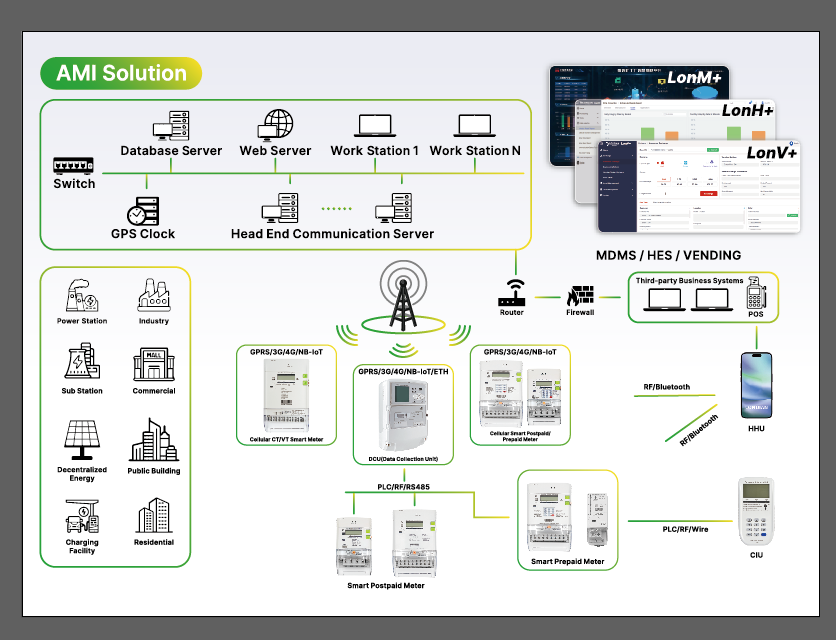
Types of Electrical Service Meters
Modern electrical meters vary in design and functionality, catering to different energy monitoring needs. The primary types include:
1. Electromechanical Meters (Analog Meters)
- Traditional meters with rotating discs that measure power consumption mechanically.
- Cost-effective but less accurate compared to digital alternatives.
- Gradually being phased out due to inefficiency and a lack of remote monitoring.
2. Digital (Electronic) Meters
- Utilize microprocessors to measure and record electricity usage with high precision.
- Offer real-time data, tamper detection, and two-way communication capabilities.
- Widely adopted in smart grid systems for better energy management.
3. Smart Meters
- Advanced digital meters with IoT (Internet of Things) integration.
- Enable automated billing, demand response, and remote monitoring via wireless networks.
- Improve energy efficiency by providing consumers with consumption insights.
4. Prepaid Meters
- Allow users to pay for electricity in advance, reducing billing disputes.
- Common in rental properties and regions with high electricity theft risks.
5. Submeters
- Used in multi-tenant buildings to allocate energy costs fairly.
- Help businesses track energy usage per unit or department.
Key Functions of Electrical Service Meters
Electrical meters serve multiple critical purposes:
- Doğru Faturalandırma: Ensure customers are charged based on actual consumption.
- Load Monitoring: Detect peak usage periods to optimize energy distribution.
- Fault Detection: Identify power leaks, tampering, or electrical faults.
- Grid Management: Support utility companies in balancing supply and demand.
- Sustainability Tracking: Help businesses and households reduce carbon footprints by monitoring energy efficiency.
Benefits of Upgrading to Smart Meters
For Londian Company, transitioning to smart metering technology offers numerous advantages:
1. Enhanced Energy Efficiency
- Real-time data helps consumers adjust usage patterns to save costs.
- Reduces energy waste by identifying high-consumption appliances.
2. Automated Meter Reading (AMR)
- Eliminates manual meter reading errors and reduces operational costs.
- Enables remote access to consumption data via cloud platforms.
3. Improved Power Quality Monitoring
- Detects voltage fluctuations and power outages instantly.
- Enhances grid reliability and prevents equipment damage.
4. Fraud Prevention
- Tamper-proof design minimizes electricity theft.
- Alerts utility providers to unauthorized usage.
5. Regulatory Compliance
- Meets government mandates for smart grid modernization.
- Supports renewable energy integration (solar, wind) into the grid.
Future Trends in Electrical Metering
The future of electrical service meters is shaped by technological advancements:
1. AI-Powered Analytics
- Machine learning algorithms predict consumption patterns and optimize energy distribution.
2. Blockchain for Energy Trading
- Peer-to-peer energy trading allows consumers to sell excess power securely.
3. Integration with Smart Home Systems
- Smart meters sync with IoT devices (thermostats, EV chargers) for automated energy management.
4. Advanced Cybersecurity Measures
- Protects metering infrastructure from hacking and data breaches.
5. Expansion of AMI (Advanced Metering Infrastructure)
- Next-gen meters will support 5G connectivity for faster, more reliable data transmission.
Sonuç
Electrical service meters are evolving rapidly, with smart technology revolutionizing energy management. Londian Company must stay ahead by adopting digital and smart metering solutions to enhance efficiency, reduce costs, and comply with sustainability goals. Investing in modern metering infrastructure ensures long-term competitiveness in the energy sector.