


What is an Electric Meter? A Comprehensive Guide
Introduction
Electricity is an essential part of modern life, powering homes, businesses, and industries. But how do utility companies measure the amount of electricity consumed? The answer lies in the electric meter, a crucial device that tracks electrical usage for billing and monitoring purposes.
In this article, we will explore:
- The definition and purpose of an electric meter
- Different types of electric meters
- How electric meters work
- Their importance in energy management
- Future advancements in metering technology
By the end, you’ll have a clear understanding of electric meters and their role in the power distribution system.
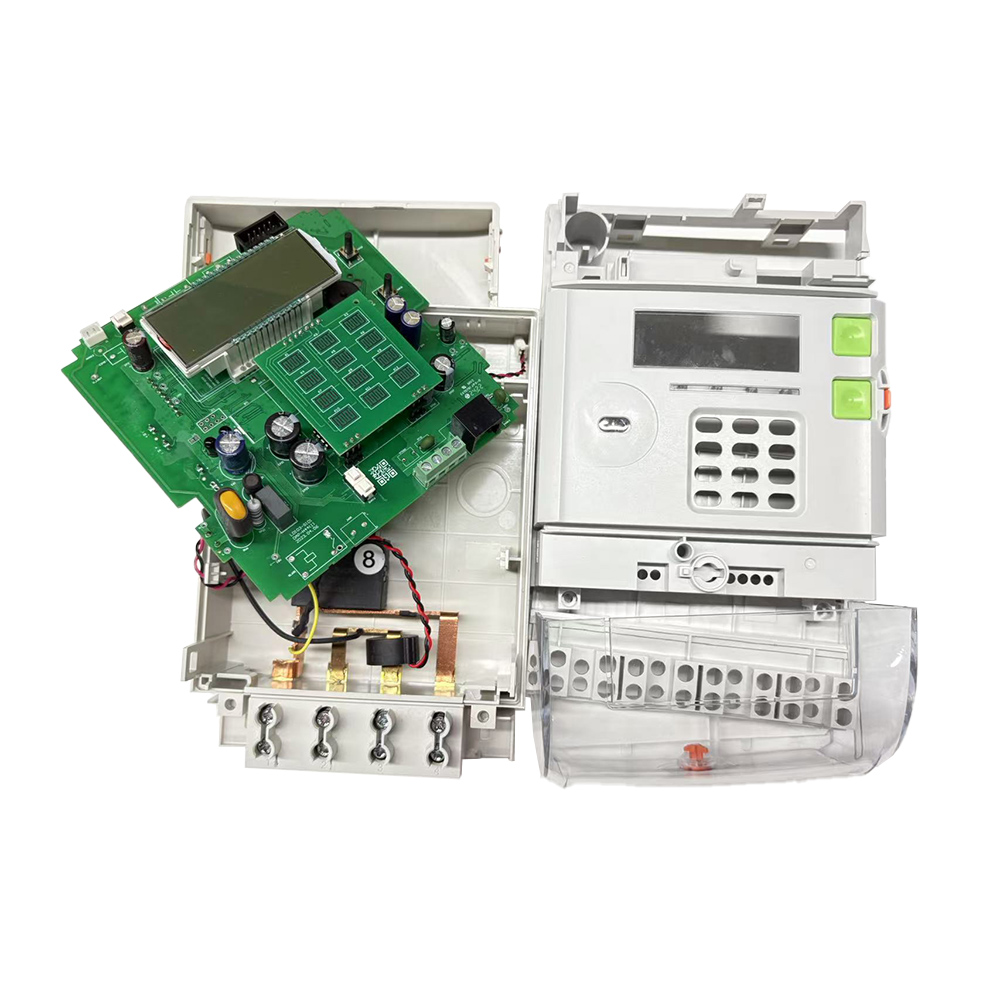
What is an Electric Meter?
An electric meter (also called an electricity meter or energy meter) is a device that measures the amount of electrical energy consumed by a residential, commercial, or industrial property. It records electricity usage in kilowatt-hours (kWh), which utility companies use to calculate billing.
Electric meters are typically installed by power providers at the point where electricity enters a building. They ensure accurate tracking of consumption, preventing discrepancies between suppliers and consumers.
Types of Electric Meters
Electric meters come in different forms, each with unique functionalities. The most common types include:
1. Electromechanical (Analog) Meters
- Traditional meters with rotating discs that measure electricity flow.
- Reliable but less precise than digital alternatives.
- Gradually being phased out in favor of smart meters.
2. Digital (Electronic) Meters
- Use microprocessors to measure and display energy consumption.
- More accurate and capable of storing historical data.
- Often include LCD screens for real-time usage tracking.
3. Smart Meters
- Advanced digital meters that communicate wirelessly with utility providers.
- Enable real-time monitoring и remote billing.
- Help consumers track usage patterns to optimize energy efficiency.
4. Prepaid Meters
- Allow users to pay for electricity in advance via tokens or recharge cards.
- Common in areas where billing collection is challenging.
- Provide better budget control for consumers.
5. Bi-Directional Meters
- Used in solar-powered homes to measure both consumption и excess energy fed back into the grid.
- Essential for net metering systems where users sell surplus electricity.
How Does an Electric Meter Work?
Electric meters operate based on the principle of electromagnetic induction (for analog meters) or digital signal processing (for electronic meters). Here’s a simplified breakdown:
- Electric Current Measurement
- The meter detects the flow of current (in amps) and voltage (in volts) in the circuit.
- Power (in watts) is calculated as Voltage × Current × Power Factor.
- Energy Calculation
- The meter integrates power over time to determine kilowatt-hours (kWh).
- For example, a 1,000-watt appliance running for one hour consumes 1 kWh.
- Data Recording & Transmission
- Analog meters display readings on dials, while digital meters store data electronically.
- Smart meters transmit usage data automatically to utility companies.
Why Are Electric Meters Important?
Electric meters serve several critical functions:
1. Accurate Billing
- Ensures consumers pay only for the electricity they use.
- Reduces disputes between customers and utility providers.
2. Energy Monitoring & Efficiency
- Smart meters help users identify high-consumption appliances.
- Encourages energy-saving behaviors to reduce costs.
3. Grid Management
- Utility companies use meter data to balance supply and demand.
- Detects power theft and unauthorized usage.
4. Support for Renewable Energy
- Bi-directional meters facilitate solar and wind energy integration into the grid.
- Enables net metering for sustainable energy adoption.
The Future of Electric Meters
With advancements in technology, electric meters are evolving rapidly:
- AI & IoT Integration – Smart meters will use artificial intelligence to predict usage patterns and optimize energy distribution.
- Blockchain for Energy Trading – Decentralized energy markets may allow peer-to-peer electricity sales via blockchain-secured meters.
- Enhanced Cybersecurity – As smart meters become more connected, robust encryption will be essential to prevent hacking.
Заключение
Electric meters are indispensable tools in modern energy management, ensuring fair billing, efficient consumption tracking, and sustainable grid operations. From traditional analog meters to cutting-edge smart meters, these devices continue to evolve, offering greater accuracy and convenience.
For businesses and homeowners, understanding electric meters helps optimize energy use, reduce costs, and support renewable energy initiatives.