


What Exactly Does a Smart Meter Do? A Comprehensive Guide by Londian
Introduction to Smart Meters
In today’s energy-conscious world, smart meters have become essential tools for both utility providers and consumers. A smart meter is a digital device that records electricity, gas, or water consumption in real-time and communicates this information directly to the energy supplier. Unlike traditional meters that require manual reading, smart meters automatically send accurate usage data, eliminating estimated bills and providing consumers with detailed insights into their energy consumption patterns.How Smart Meter Work ?At Londian, we understand the growing importance of energy efficiency and cost management, which is why we’re committed to helping our customers understand how smart meter technology can transform their relationship with energy usage.
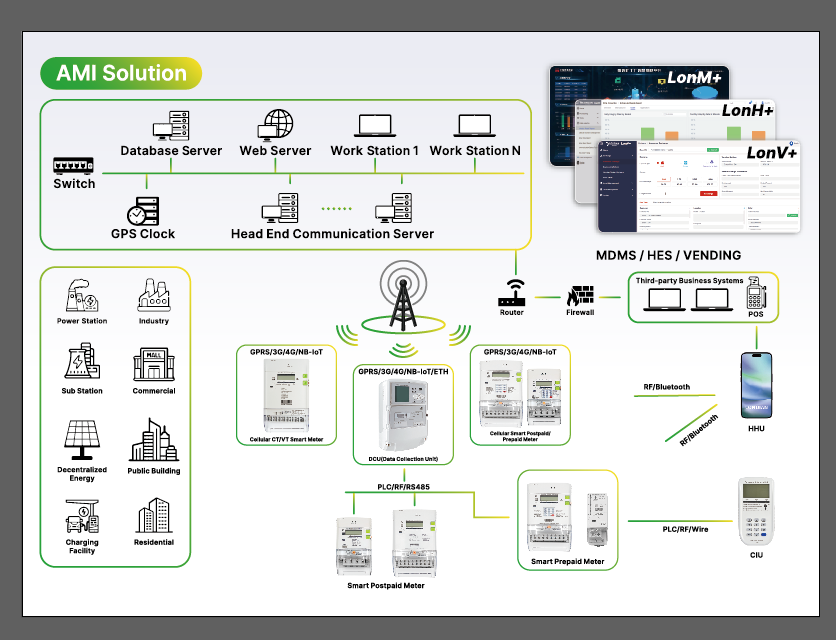
How Smart Meters Work: The Technology Behind the Device
Smart meters utilize advanced digital technology to provide precise, real-time energy monitoring. These devices typically consist of two main components:
- The Meter Itself: This replaces your traditional meter and digitally records your energy usage at regular intervals (usually every 30 minutes or hourly).
- In-Home Display (IHD): This portable screen shows your current energy consumption in kilowatt-hours (kWh) as well as the cost in your local currency.
The smart meter communicates with your energy supplier through a secure wireless network, using either a dedicated radio frequency network (like the WAN used in the UK) or existing mobile data networks. This two-way communication allows for:
- Automatic meter readings sent directly to your supplier
- Remote detection of power outages
- Potential for dynamic pricing models based on time-of-use
- Seamless switching between energy providers
Key Benefits of Smart Meters for Consumers
1. Accurate Billing and No More Estimates
One of the most significant advantages of smart meters is the elimination of estimated bills. Traditional meters often lead to inaccurate charges when meter readers can’t access the property or when customers fail to submit readings. Smart meters ensure you only pay for what you actually use, removing billing disputes and surprise catch-up payments.
2. Real-Time Energy Monitoring
The in-home display provided with smart meters gives consumers unprecedented visibility into their energy usage. You can see:
- Current energy consumption in kWh and monetary value
- Historical usage patterns by day, week, or month
- Comparisons to previous periods
- Identification of high-consumption appliances
This real-time feedback empowers consumers to make informed decisions about their energy use and identify potential waste.
3. Enhanced Energy Efficiency
By understanding exactly when and how you’re using energy, smart meters help identify opportunities for savings. Studies show that households with smart meters typically reduce their energy consumption by 2-3% simply through increased awareness. When combined with behavioral changes, savings can be significantly higher.
4. Support for Renewable Energy Integration
For homes with solar panels or other renewable energy systems, smart meters can measure both energy consumption and generation. This capability is essential for:
- Accurate feed-in tariff payments
- Monitoring system performance
- Optimizing self-consumption of generated energy
5. Future-Proofing Your Home
As we move toward smarter energy grids and more dynamic pricing models, smart meters will become increasingly important for:
- Electric vehicle charging optimization
- Smart appliance integration
- Participation in demand response programs
- Access to time-of-use tariffs that reward off-peak usage
Benefits for Energy Providers and the Grid
While consumers enjoy direct benefits from smart meters, energy providers and grid operators also gain significant advantages:
- Operational Efficiency: Automated meter reading eliminates the need for manual readings, reducing operational costs.
- Improved Grid Management: Real-time data helps utilities balance supply and demand more effectively, reducing the need for expensive peak generation capacity.
- Faster Outage Detection: Smart meters can immediately report power outages, enabling quicker response times for repairs.
- Reduced Energy Theft: Advanced monitoring helps identify unusual consumption patterns that may indicate meter tampering or theft.
- Support for Renewable Integration: Smart meters facilitate the integration of distributed renewable generation into the grid.
Addressing Common Concerns About Smart Meters
Despite their benefits, some consumers have concerns about smart meters that deserve attention:
Data Privacy and Security
Smart meters transmit encrypted data through secure networks. Energy providers are bound by strict data protection regulations (like GDPR in Europe) that govern how consumption data can be used. Typically, only aggregated, anonymized data is used for grid management purposes.
Health Concerns (EMF Radiation)
Smart meters emit very low-level radiofrequency (RF) waves—significantly less than mobile phones or Wi-Fi routers. Public health agencies worldwide, including the World Health Organization, have concluded that smart meters pose no health risk when installed properly.
Compatibility Issues
Most modern smart meters are designed to be interoperable, meaning they should continue to work if you switch energy providers. Regulations in many countries require this compatibility.
The Future of Smart Meter Technology
Smart meter technology continues to evolve, with future developments likely to include:
- Integration with smart home systems for automated energy optimization
- Enhanced data analytics providing personalized energy-saving recommendations
- Blockchain applications for peer-to-peer energy trading
- AI-powered insights predicting usage patterns and suggesting optimal times for high-energy activities
- Advanced load control allows utilities to temporarily reduce non-essential consumption during peak demand
Conclusion: Why Smart Meters Matter
Smart meters represent a fundamental shift in how we interact with energy consumption. By providing accurate, real-time data about energy use, these devices empower consumers to take control of their bills while supporting the transition to more efficient, renewable-based energy systems.
At Londian, we believe smart meters are essential tools for creating a sustainable energy future. Their benefits—from eliminating estimated bills to enabling energy efficiency improvements—make them valuable investments for both households and businesses.
As energy systems become smarter and more dynamic, having a smart meter will increasingly become the gateway to accessing the best tariffs, services, and energy-saving opportunities. The detailed consumption insights they provide can help identify wasteful patterns and opportunities for savings that might otherwise go unnoticed.
Whether you’re motivated by cost savings, environmental concerns, or simply the convenience of accurate automated billing, smart meters offer compelling advantages that make them worth considering for any energy consumer.