


The Ultimate Guide to Electric Meters: Types, Benefits, and Applications
Introduction
Electric meters are essential devices for measuring electricity consumption in residential, commercial, and industrial settings. As energy efficiency becomes a global priority, understanding the different types of electric meters, their functionalities, and their benefits is crucial. Londian, a leader in smart energy solutions, provides cutting-edge electric meters designed for accuracy, reliability, and sustainability. The Ultimate Guide explores the various types of electric meters, their advantages, key features, and how they contribute to energy management.
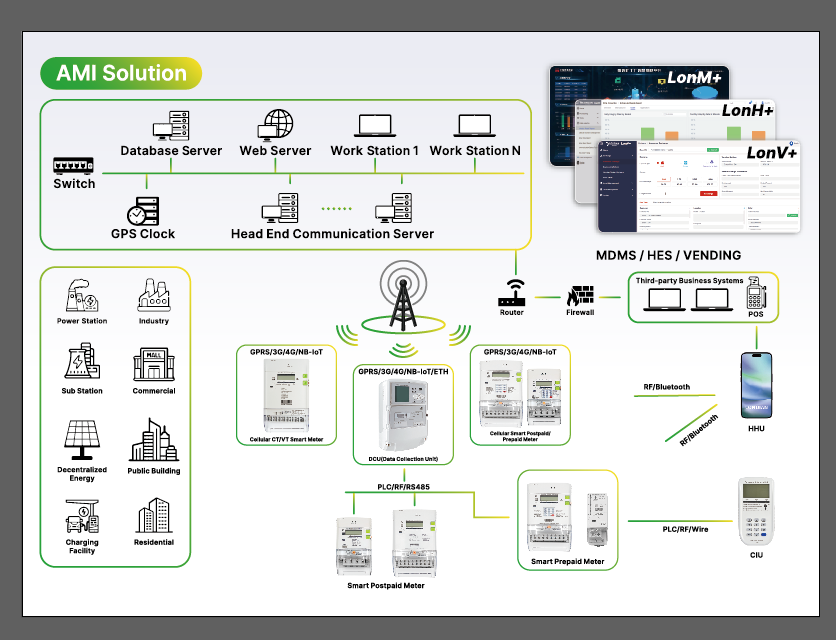
Types of Electric Meters
1. Electromechanical (Analog) Meters
Traditional electromechanical meters use rotating discs to measure electricity consumption. While they are durable and cost-effective, they lack advanced features such as remote monitoring and real-time data tracking.
2. Digital (Electronic) Meters
Digital meters provide precise readings and often include LCDs for easy monitoring. They are more accurate than analog meters and can store consumption data for billing purposes.
3. Smart Meters
Smart meters represent the future of energy measurement. They offer:
- Real-time data tracking – Consumers and utility companies can monitor usage instantly.
- Two-way communication – Enables remote meter reading and reduces manual errors.
- Energy efficiency insights – Helps users identify high-consumption appliances.
- Automated billing – Eliminates estimated bills and enhances transparency.
4. Prepaid Meters
Prepaid meters allow users to pay for electricity in advance, promoting better budget management. They are ideal for rental properties and areas with high electricity theft risks.
5. Industrial & Three-Phase Meters
Designed for high-power applications, three-phase meters measure electricity in commercial and industrial environments where heavy machinery operates.
Key Benefits of Modern Electric Meters
1. Improved Accuracy & Reduced Errors
Digital and smart meters eliminate human errors associated with manual readings, ensuring precise billing.
2. Enhanced Energy Management
Real-time data helps consumers optimize energy usage, reducing costs and environmental impact.
3. Remote Monitoring & Control
Utility providers can detect outages, monitor grid performance, and implement dynamic pricing models.
4. Fraud Prevention
Advanced meters detect tampering and unauthorized usage, reducing revenue losses for energy companies.
5. Sustainability & Cost Savings
By encouraging energy-efficient behavior, smart meters contribute to lower carbon footprints and long-term savings.
Applications of Electric Meters
1. Residential Use
Homeowners benefit from accurate billing, energy insights, and automated meter readings.
2. Commercial & Industrial Sectors
Businesses rely on high-precision meters to monitor large-scale energy consumption and optimize operational costs.
3. Utility Companies
Smart meters streamline grid management, reduce operational costs, and improve customer satisfaction.
4. Renewable Energy Integration
Modern meters support solar and wind energy systems by tracking bidirectional power flow (net metering).
Why Choose Londian’s Electric Meters?
Londian provides state-of-the-art electric meters with:
- High precision & durability – Built to last in various environments.
- Advanced communication protocols – Supports IoT and smart grid integration.
- User-friendly interfaces – Easy-to-read displays and mobile app compatibility.
- Customizable solutions – Tailored for residential, commercial, and industrial needs.
Wnioski
Electric meters have evolved significantly, transitioning from basic analog devices to intelligent smart meters that enhance energy efficiency and sustainability. Londian’s innovative solutions empower consumers and businesses to take control of their electricity consumption while supporting global energy conservation efforts.
Investing in the right electric meter ensures accurate billing, cost savings, and a greener future.