


What Exactly Does an Electric Meter Do? A Comprehensive Guide
Electricity is an essential part of modern life, powering homes, businesses, and industries. But have you ever wondered how your electricity consumption is measured? That’s where an electric meter comes in. In this article, Londian’ll explore what an electric meter does, how it works, the different types available, and why accurate metering is crucial for both consumers and utility providers.
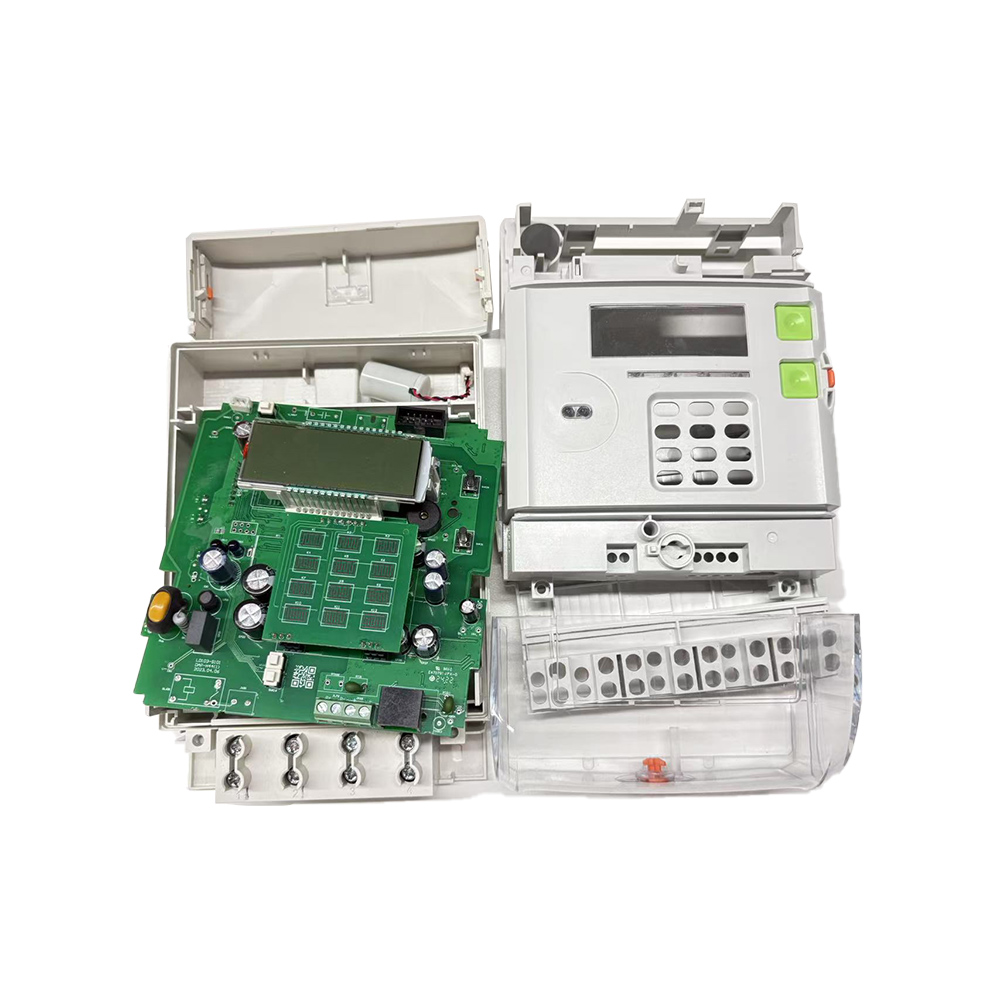
Understanding the Role of an Electric Meter
An electric meter (also called an electricity meter or energy meter) is a device that measures the amount of electrical energy consumed by a home, business, or industrial facility. It records electricity usage in kilowatt-hours (kWh), which is the standard unit for billing purposes.
Key Functions of an Electric Meter
- Measures Energy Consumption – The primary function of an electric meter is to track how much electricity is being used over time.
- Enables Accurate Billing – Utility companies rely on meter readings to charge customers fairly based on their actual usage.
- Supports Energy Monitoring – Modern smart meters allow users to track real-time energy consumption, helping them identify wasteful usage patterns.
- Facilitates Grid Management – Utility providers use aggregated meter data to balance supply and demand across the power grid.
How Does an Electric Meter Work?
Electric meters operate by measuring the voltage (V) dan current (A) flowing through a circuit and calculating the total energy consumed. Here’s a simplified breakdown:
- Current Measurement – The meter detects the amperage (current) passing through the electrical system.
- Voltage Measurement – It also measures the voltage supplied by the utility.
- Power Calculation – By multiplying voltage × current × time, the meter determines the total energy used (kWh).
Types of Electric Meters
Electric meters have evolved, with different models offering varying levels of accuracy and functionality:
- Electromechanical (Analog) Meters
- Traditional meters with a rotating disc that spins proportionally to energy usage.
- Reliable but less precise than digital meters.
- Digital (Electronic) Meters
- Use microprocessors to measure and display energy consumption.
- More accurate and often include additional features like tamper detection.
- Pengukur Cerdas
- Advanced digital meters that communicate wirelessly with utility providers.
- Enable real-time monitoring, remote readings, and dynamic pricing models.
- Pengukur Prabayar
- Allow users to pay for electricity in advance (like a prepaid phone plan).
- Common in rental properties and regions with high electricity theft risks.
Why Accurate Metering Matters
- Fair Billing – Ensures customers pay only for the electricity they use.
- Energy Efficiency – Helps consumers track and reduce wasteful consumption.
- Grid Stability – Provides utility companies with data to optimize power distribution.
- Fraud Prevention – Smart meters can detect unauthorized usage or tampering.
Future Trends in Electric Metering
With advancements in IoT (Internet of Things) dan AI-driven analytics, electric meters are becoming smarter:
- AI-Powered Energy Insights – Predictive analytics to forecast usage patterns.
- Integration with Renewable Energy – Meters that track solar/wind power contributions.
- Blockchain for Energy Trading – Peer-to-peer electricity sharing with decentralized metering.
Kesimpulan
An electric meter is far more than just a billing tool—it’s a critical component of modern energy management. From traditional analog meters to cutting-edge smart meters, these devices ensure fair pricing, efficient energy use, and sustainable grid operations. As technology advances, we can expect even more innovative metering solutions that empower both consumers and utility providers.