


Remote Reading Electricity Meter Manufacturing: The Future of Energy Management by Londian
Introduction
In today’s rapidly evolving energy sector, remote reading of electricity meter manufacturing has become a cornerstone of smart grid technology. As a leading manufacturer in this space, Londian is committed to delivering high-precision, reliable, and secure remote metering solutions that enhance energy efficiency and reduce operational costs. This article explores the benefits, technologies, and applications of remote reading electricity meters, positioning Londian as an industry innovator.
1. What Are Remote Reading Electricity Meters?
Remote reading electricity meters, also known as smart meters or automated meter reading (AMR) devices, eliminate the need for manual meter inspections by transmitting real-time energy consumption data to utility providers. These meters leverage advanced communication technologies such as:
- RF (Radio Frequency) – Enables short-range wireless data transmission.
- PLC (Power Line Communication) – Uses existing electrical wiring for data transfer.
- Cellular Networks (4G/5G/NB-IoT) – Ensures wide-area connectivity for remote monitoring.
- LoRaWAN & Zigbee – Ideal for low-power, long-range IoT applications.
By integrating these technologies, Londian’s remote meters provide accurate, tamper-proof, and real-time energy tracking, revolutionizing utility management.
2. Key Advantages of Remote Reading Electricity Meters
2.1 Enhanced Accuracy & Reduced Human Error
Traditional manual meter reading is prone to human errors, delays, and estimation inaccuracies. Remote meters eliminate these issues by automating data collection, ensuring precise billing, and reducing disputes.
2.2 Cost Efficiency for Utilities & Consumers
- Utility companies save on labor costs by eliminating manual readings.
- Consumers benefit from dynamic pricing models, allowing them to optimize energy usage during off-peak hours.
2.3 Real-Time Monitoring & Energy Theft Prevention
Londian’s meters detect unusual consumption patterns, helping utilities identify energy theft or leakage instantly. Advanced encryption ensures data security against cyber threats.
2.4 Sustainability & Smart Grid Integration
Remote meters support demand-response programs, enabling better integration of renewable energy sources like solar and wind power into the grid.
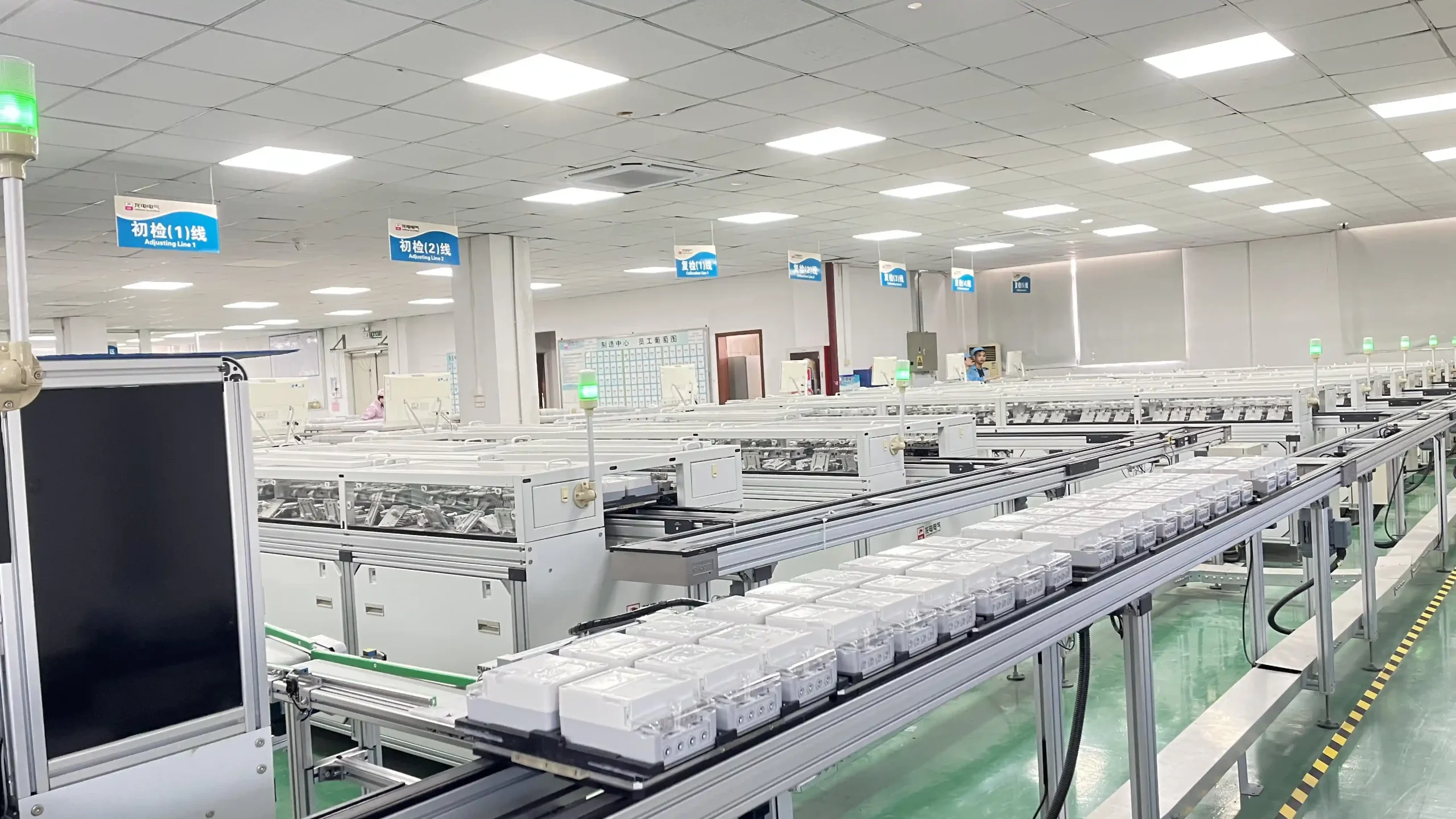
3. Londian’s Manufacturing Excellence in Remote Metering
3.1 Cutting-Edge R&D & Quality Assurance
Londian invests in AI-driven analytics and IoT innovations to enhance meter performance. Each device undergoes rigorous testing for durability, accuracy, and compliance with international standards (IEC, ANSI, MID).
3.2 Customizable Solutions for Diverse Markets
- Residential: Single-phase smart meters with user-friendly interfaces.
- Commercial & Industrial: Three-phase meters with high-load capacity dan remote disconnect features.
- Municipal & Utility-Scale: Scalable AMI (Advanced Metering Infrastructure) solutions for large deployments.
3.3 Global Compliance & Certifications
Londian’s meters meet CE, FCC, RoHS, and ISO 9001 certifications, ensuring seamless adoption in North America, Europe, and emerging markets.
4. The Future of Remote Metering: AI & Predictive Analytics
The next generation of remote meters will incorporate:
- AI-powered anomaly detection for predictive maintenance.
- Blockchain-based energy trading for decentralized grids.
- 5G-enabled ultra-fast data transmission for real-time grid management.
Londian is at the forefront of these innovations, driving the digital transformation of energy infrastructure.
Kesimpulan
Remote reading electricity meters are transforming energy management, offering accuracy, efficiency, and sustainability. As a trusted manufacturer, Londian delivers state-of-the-art metering solutions tailored for utilities, businesses, and smart cities. By adopting Londian’s technology, stakeholders can reduce costs, enhance security, and contribute to a greener future.