


How Electric Meters Work: A Comprehensive Guide for Londian Company
Introduction
Electric meters are essential devices that measure the amount of electrical energy consumed by residential, commercial, and industrial properties. Understanding how electric meters work is crucial for energy management, cost efficiency, and sustainability. This article provides an in-depth explanation of electric meter functionality, types, and technological advancements, tailored for Londian Company’s audience.
What Is an Electric Meter?
An electric meter, also known as an electricity meter or energy meter, is a device that records the amount of electricity consumed in kilowatt-hours (kWh). Utility companies use these readings to bill customers accurately.
Key Functions of an Electric Meter
- Measures Energy Consumption – Tracks electricity usage over time.
- Billing Accuracy – Ensures customers are charged correctly.
- Load Monitoring – Helps detect unusual power consumption patterns.
- Smart Grid Integration – Modern meters support real-time data transmission.
Types of Electric Meters
Electric meters have evolved significantly, with different models catering to various needs.
1. Electromechanical (Analog) Meters
- Use a rotating aluminum disc that spins proportionally to electricity usage.
- A mechanical counter records the number of rotations, converting them into kWh.
- Pros: Durable, low maintenance.
- Cons: Less accurate, prone to wear and tear.
2. Electronic (Digital) Meters
- Use solid-state components to measure voltage and current.
- Display readings on an LCD screen.
- Pros: Higher accuracy, tamper-resistant, supports multiple tariffs.
- Cons: More expensive than analog meters.
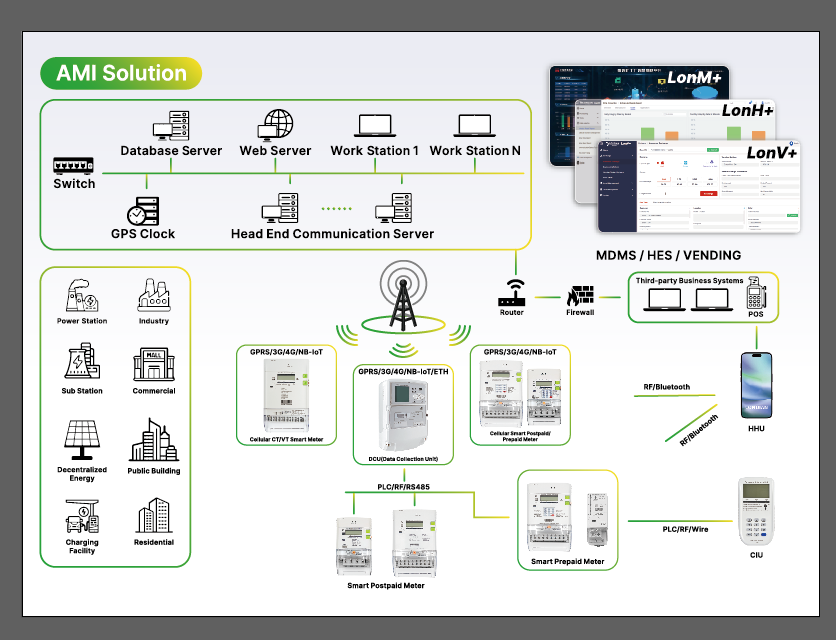
3. Smart Meters
- Advanced digital meters with two-way communication (AMI – Advanced Metering Infrastructure).
- Transmit real-time data to utility providers.
- Pros: Remote monitoring, energy usage insights, reduces manual readings.
- Cons: Privacy concerns, higher initial cost.
4. Prepaid Meters
- Allow users to pay for electricity in advance via tokens or cards.
- Pros: Budget control, reduces debt risks for utilities.
- Cons: Requires frequent top-ups, may disconnect if balance is low.
How Does an Electric Meter Measure Electricity?
Electric meters operate based on fundamental electrical principles:
1. Measuring Voltage and Current
- Voltage (V) is the electrical potential difference.
- Current (I) is the flow of electrons.
- Power (P) is calculated as P = V × I × Power Factor (for AC systems).
2. Calculating Energy Consumption
- Energy (E) is power multiplied by time (E = P × t).
- The meter accumulates kWh over a billing cycle.
3. Electromechanical vs. Digital Measurement
- Electromechanical meters use induction coils to rotate a disc.
- Digital meters use microprocessors to sample voltage and current, converting them into digital readings.
The Role of Electric Meters in Energy Efficiency
Electric meters contribute to energy conservation in multiple ways:
1. Real-Time Consumption Tracking
- Smart meters provide instant feedback, helping users reduce waste.
2. Peak Load Management
- Utilities incentivize off-peak usage with time-of-day pricing.
3. Detection of Faults & Energy Theft
- Unusual consumption patterns can indicate meter tampering or faulty wiring.
Future Trends in Electric Metering
The future of electric meters includes:
- AI-Powered Analytics – Predictive energy usage insights.
- Blockchain for Energy Trading – Peer-to-peer electricity sharing.
- IoT Integration – Smart home automation with meters.
Kesimpulan
Electric meters are vital for accurate billing, energy efficiency, and smart grid development. From traditional analog meters to advanced smart meters, technology continues to enhance how we monitor electricity. Londian Company can leverage this knowledge to optimize energy management and support sustainable practices.