


Smart Energy Meters: Revolutionizing Energy Management for Londian Company
Introduction
In an era where energy efficiency and sustainability are paramount, Smart Energy Meters have emerged as a game-changing technology for businesses and households alike. For Empresa Londiana, adopting smart meters can lead to significant cost savings, improved energy monitoring, and a reduced carbon footprint. This article explores the benefits, functionalities, and prospects of smart energy meters, providing valuable insights for businesses looking to optimize their energy consumption.
What Are Smart Energy Meters?
Smart Energy Meters are advanced digital devices that measure and record electricity, gas, or water consumption in real time. Unlike traditional meters, they automatically transmit data to utility providers, eliminating the need for manual readings. These meters provide:
- Real-time energy usage tracking
- Automated billing accuracy
- Remote monitoring and control
- Integration with smart home/business systems
Key Benefits of Smart Energy Meters for Londian Company
1. Enhanced Energy Efficiency
Smart meters provide detailed insights into energy consumption patterns, helping businesses identify wasteful practices. By analyzing real-time data, Empresa Londiana can adjust operations to reduce unnecessary energy use, leading to lower utility bills.
2. Accurate Billing & Reduced Costs
Traditional meters rely on estimated readings, which can lead to billing discrepancies. Smart meters ensure precise, usage-based billing, eliminating overcharges and fostering transparency between consumers and energy providers.
3. Improved Sustainability & Carbon Footprint Reduction
With increasing regulatory pressure on businesses to adopt eco-friendly practices, smart meters help Empresa Londiana track and reduce its carbon emissions. By optimizing energy use, businesses contribute to global sustainability goals.
4. Remote Monitoring & Smart Grid Integration
Smart meters enable remote energy management, allowing businesses to monitor consumption via mobile apps or web dashboards. Additionally, they support smart grid technology, improving energy distribution efficiency and reducing outages.
5. Future-Proofing Energy Infrastructure
As renewable energy sources (solar, wind) gain traction, smart meters facilitate seamless integration with microgrids and battery storage systems, ensuring Empresa Londiana remains ahead in energy innovation.
How Smart Energy Meters Work
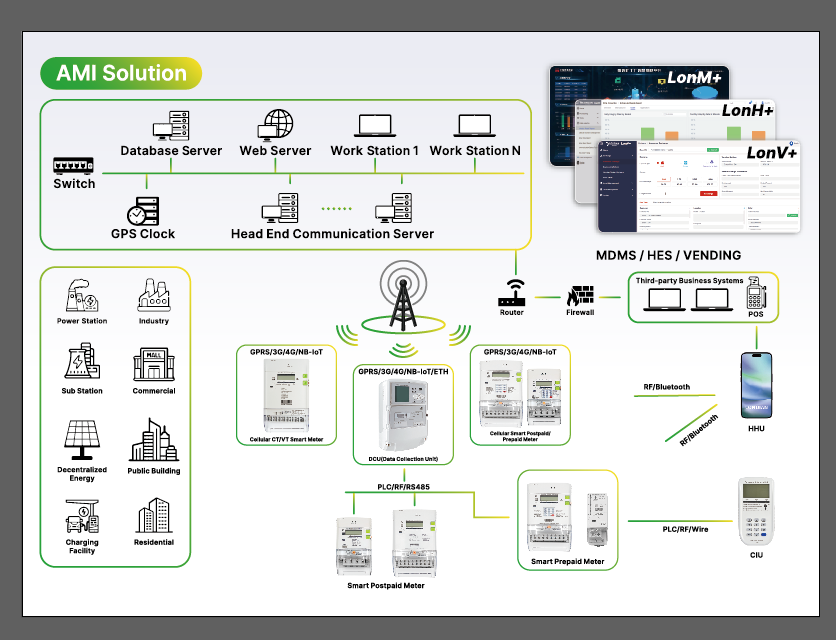
Smart meters operate through a two-way communication system:
- Data Collection: Sensors record energy consumption at frequent intervals (e.g., every 15-30 minutes).
- Data Transmission: Information is sent via Wi-Fi, cellular networks, or power-line communication (PLC) to utility providers.
- User Access: Businesses access consumption reports through dedicated apps or online portals, enabling data-driven decisions.
Challenges & Considerations
While smart meters offer numerous advantages, businesses should consider:
- Data Privacy & Security: Ensuring encrypted data transmission to prevent cyber threats.
- Initial Installation Costs: Though long-term savings outweigh upfront expenses.
- Compatibility with Existing Systems: Verifying integration with current energy infrastructure.
The Future of Smart Energy Meters
Advancements in AI and IoT will further enhance smart meter capabilities, including:
Predictive analytics for energy demand forecasting
Automated demand-response systems to balance grid loads
Blockchain-based energy trading for decentralized power distribution
Conclusión
For Empresa Londiana, adopting Smart Energy Meters is a strategic move toward cost efficiency, sustainability, and operational excellence. By leveraging real-time data and automation, businesses can optimize energy use, reduce expenses, and contribute to a greener future.