


The Ultimate Guide to Electricity Meters: Types, Benefits, and Future Trends
Introduction
Electricity meters are essential devices for measuring electrical energy consumption in residential, commercial, and industrial settings. As energy efficiency and smart technology continue to evolve, electricity meters play a crucial role in monitoring usage, reducing costs, and optimizing power distribution. This article explores the different types of electricity meters, their benefits, and future trends in metering technology—essential knowledge for businesses like Londian Company looking to enhance energy management solutions.
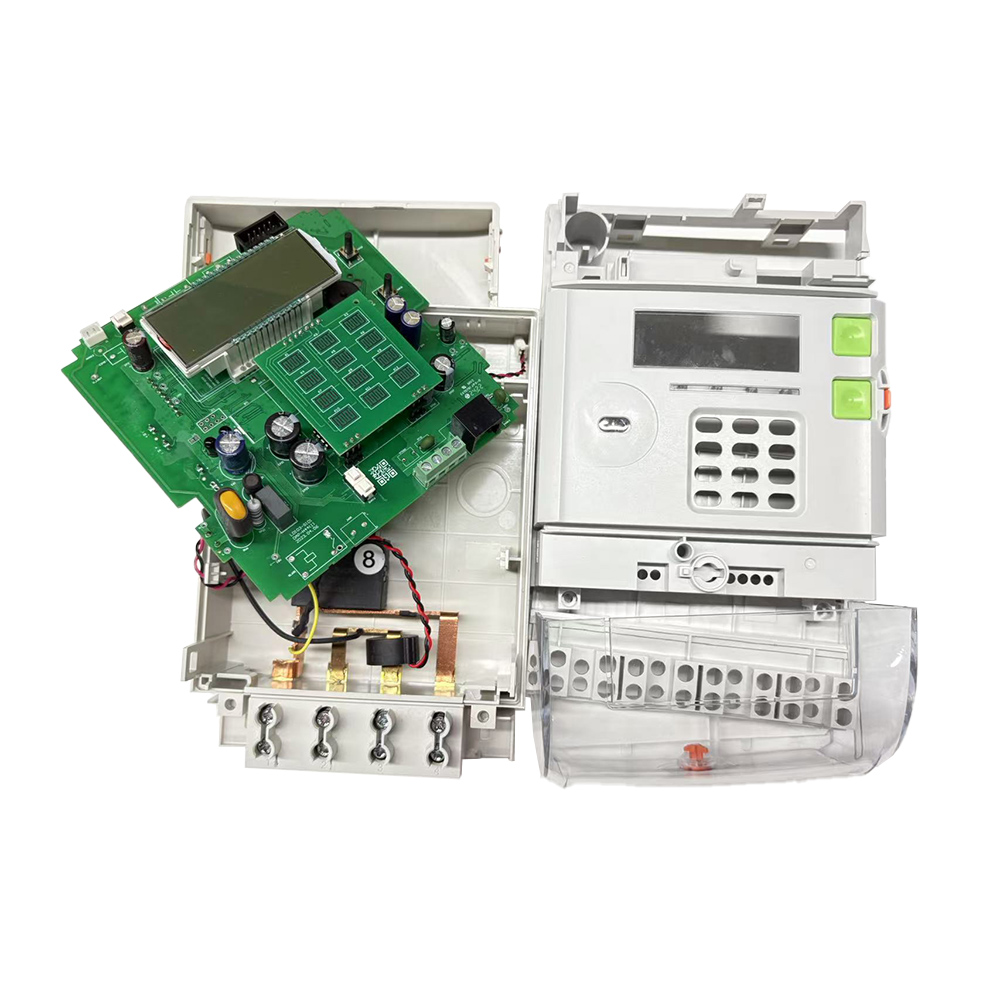
Types of Electricity Meters
1. Electromechanical (Analog) Meters
Traditional electromechanical meters use rotating discs to measure electricity consumption. While reliable, they lack advanced features like remote monitoring and real-time data tracking.
2. Electronic (Digital) Meters
Digital meters provide more accurate readings and often include LCDs for easy monitoring. They are widely used due to their efficiency and ability to integrate with modern energy management systems.
3. Smart Meters
Smart meters are the future of energy measurement, offering:
- Real-time data tracking
- Two-way communication with utility providers
- Remote monitoring via mobile apps
- Peak/off-peak usage analysis
4. Prepaid Meters
These meters allow users to pay for electricity in advance, helping consumers manage budgets and reduce debt risks.
5. Advanced Metering Infrastructure (AMI)
AMI systems combine smart meters with data analytics to optimize grid performance and detect outages proactively.
Key Benefits of Modern Electricity Meters
1. Improved Accuracy & Reduced Billing Errors
Digital and smart meters eliminate human error in readings, ensuring precise billing.
2. Energy Consumption Insights
Real-time data helps users identify high-consumption appliances and adjust usage patterns.
3. Cost Savings & Efficiency
Smart meters enable dynamic pricing models, allowing consumers to use electricity during off-peak hours for lower rates.
4. Environmental Impact
By promoting energy efficiency, smart meters contribute to reduced carbon emissions and sustainable energy use.
5. Enhanced Grid Management
Utility companies can detect faults, prevent blackouts, and balance loads efficiently using smart metering data.
Future Trends in Electricity Metering
1. AI & Machine Learning Integration
AI-powered meters can predict consumption patterns and suggest energy-saving measures.
2. Blockchain for Energy Trading
Decentralized energy grids may use blockchain to enable peer-to-peer electricity trading via smart meters.
3. IoT & Smart Home Integration
Meters will increasingly connect with smart home devices (thermostats, solar panels) for automated energy optimization.
4. Expansion of Smart Grids
Governments worldwide are investing in smart grids, making smart meters a necessity for future energy infrastructure.
5. Cybersecurity Enhancements
As meters become more connected, robust encryption and authentication protocols will be critical to prevent hacking.
Why Choose Londian Company for Electricity Meter Solutions?
في Londian Company, we provide cutting-edge electricity metering solutions tailored to your needs. Whether you require smart meters for residential use, industrial-grade AMI systems, or prepaid metering options, our expertise ensures reliable, efficient, and future-proof energy management.
Partner with us to:
Reduce operational costs
Improve energy efficiency
Stay ahead with smart technology