


Accuracy in Electricity Meters: Ensuring Precision and Reliability for Modern Energy Needs
Introduction
Electricity meters are critical components in energy management, ensuring accurate measurement of power consumption for residential, commercial, and industrial applications. With the increasing demand for energy efficiency and smart grid integration, the accuracy of electricity meters has become a key focus for utility providers, regulators, and consumers alike. Londian, a leader in advanced metering solutions, emphasizes precision, reliability, and compliance with international standards to deliver superior electricity metering technology.
This article explores the importance of meter accuracy, factors affecting it, testing methodologies, and how Londian’s solutions set industry benchmarks.
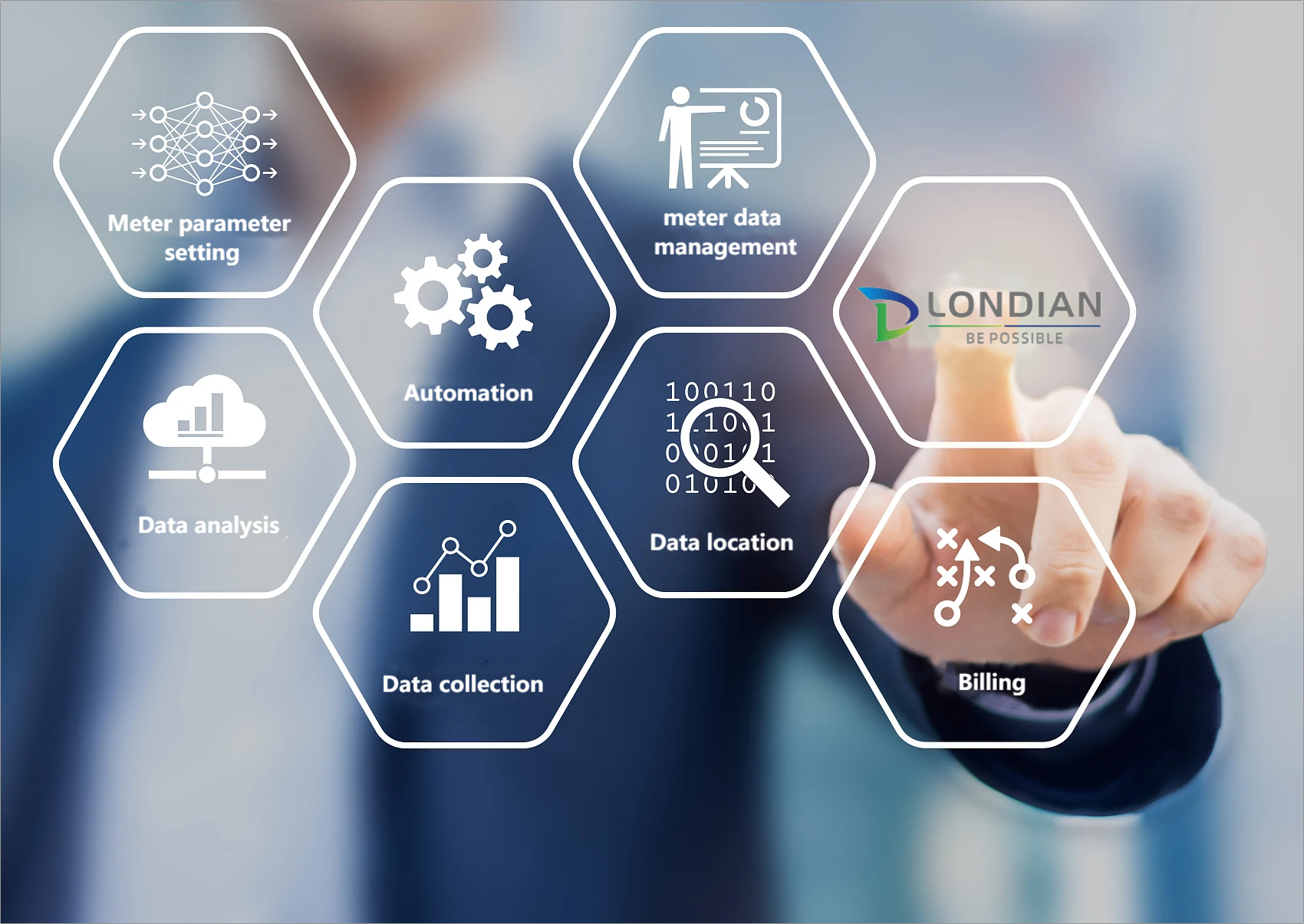
Why Accuracy in Electricity Meters Matters
Accurate electricity meters are essential for:
- Fair Billing – Ensures consumers pay only for the energy they use, preventing revenue loss for utility companies.
- Соответствие нормативным требованиям – Meters must meet standards like IEC 62053, ANSI C12.20, and MID (Measuring Instruments Directive).
- Energy Efficiency – Helps identify power wastage and optimize consumption.
- Smart Grid Integration – Supports real-time monitoring and demand-response systems.
- Renewable Energy Integration – Accurately measures bidirectional power flow from solar/wind sources.
Factors Affecting Electricity Meter Accuracy
Several elements influence meter precision:
1. Environmental Conditions
- Temperature fluctuations can alter electronic components’ behavior.
- Humidity and dust may degrade internal circuits over time.
2. Load Variations
- Meters must maintain accuracy across different load ranges (e.g., low, medium, and high current).
- Harmonic distortions from non-linear loads (e.g., inverters, LED lights) can affect readings.
3. Meter Type & Technology
- Electromechanical meters (older models) may drift over time.
- Electronic (static) meters offer higher precision with digital signal processing.
- Smart meters integrate advanced algorithms for real-time corrections.
4. Calibration & Maintenance
- Regular calibration checks ensure long-term accuracy.
- Software updates in smart meters can enhance performance.
How Electricity Meter Accuracy is Tested
To guarantee compliance, meters undergo rigorous testing:
1. Laboratory Testing
- Accuracy Class Verification (e.g., Class 0.5, Class 1, Class 2).
- Temperature & Humidity Chambers simulate extreme conditions.
2. Field Testing
- On-site audits compare meter readings with reference standards.
- Long-term drift analysis checks performance over years.
3. Advanced Diagnostics
- Harmonic immunity tests ensure resistance to power quality issues.
- Tamper detection validation prevents fraud.
Londian’s High-Accuracy Electricity Meters
Londian’s metering solutions are engineered for ultra-precise measurements, incorporating:
Advanced DSP (Digital Signal Processing) – Minimizes errors from harmonics and load variations.
Wide Dynamic Range – Maintains accuracy from low to high currents.
Auto-Calibration Technology – Self-adjusts to environmental changes.
IoT Connectivity – Enables remote diagnostics and firmware updates.
Compliance with Global Standards – Certified under IEC, ANSI, and MID.
Future Trends in Meter Accuracy
- AI-Powered Error Detection – Machine learning identifies anomalies in real time.
- Blockchain for Transparent Billing – Immutable records prevent tampering.
- 5G-Enabled Smart Meters – Faster data transmission for grid optimization.
Заключение
Accurate electricity meters are the backbone of modern energy management, ensuring fairness, efficiency, and compliance. Londian’s cutting-edge metering technology delivers unmatched precision, supporting utilities and consumers in an evolving energy landscape.