


PLC Electricity Meter China: A Complete Guide for Global Utilities and Procurement Teams
The global smart electricity meter market is changing fast. China now sits at the center of this shift. As utilities modernize their grids, PLC electricity meters have become essential. These devices send data over power lines. For international buyers, understanding the Chinese market matters greatly.
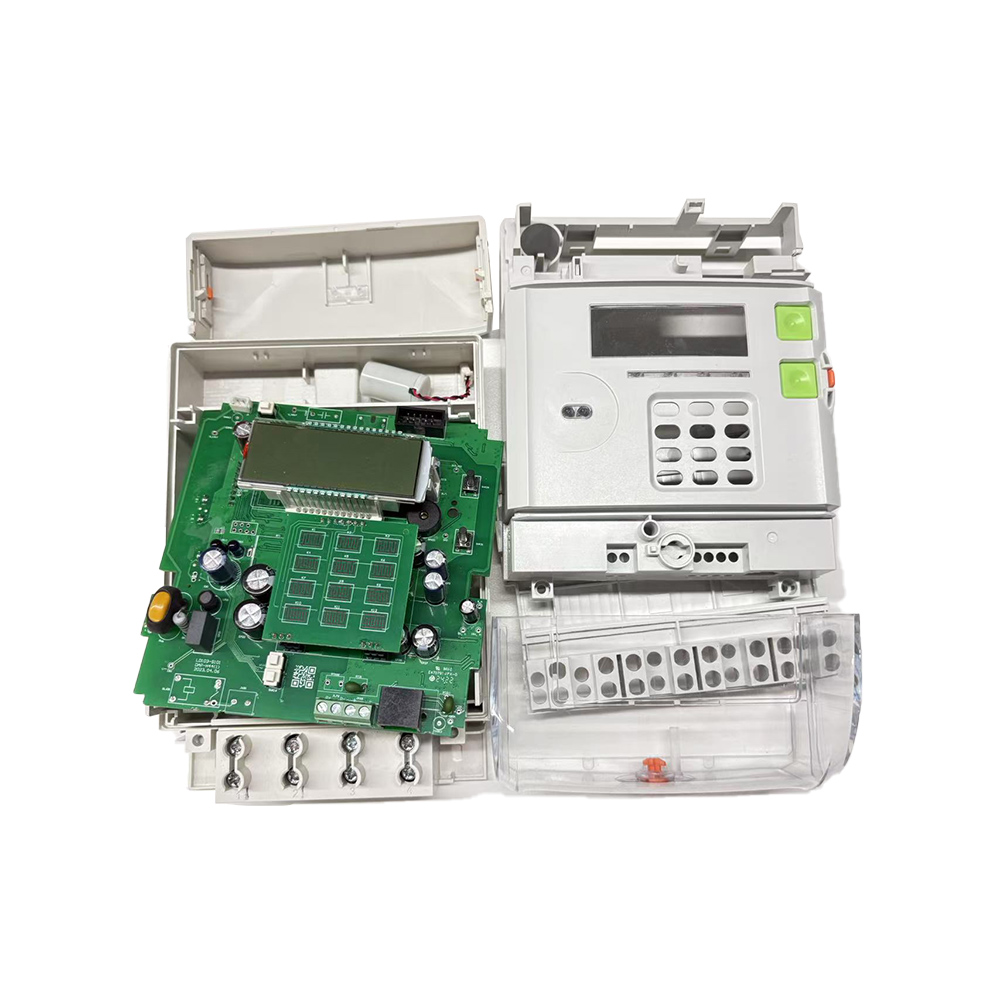
Why PLC Technology Dominates Smart Metering
Power Line Communication remains the most widely adopted smart metering technology. In 2025, PLC held a 44.10% share of the communication market. Europe’s low-voltage networks drove much of this growth. The technology uses existing electrical wiring for data transmission. Therefore, utilities avoid building separate communication infrastructure. This approach lowers deployment costs significantly.
Moreover, PLC supports reliable two-way communication. It enables real-time monitoring across the grid. Utilities also gain remote firmware updates and time-of-use tariff management. Load profiling becomes possible too. Consequently, modern grid operations depend heavily on this technology.
China’s Strategic Position in Global PLC Meter Manufacturing
China manufactures more electricity meters than any other nation. The country deployed 590 million AMI endpoints across 26 provinces. This scale gives Chinese suppliers major advantages. They source components cheaply and optimize production efficiently. As a result, their export strength keeps growing.
In early 2026, China exported $358 million worth of electricity meters. That equals roughly 13.85 million units. The trade surplus reached about $350 million. Meanwhile, Africa became the largest destination for Chinese meters. This region grew 76.70% year-over-year. Major players include Wasion Group, Holley Technology, and Hexing Electrical. Ningbo Sanxing also competes strongly. These companies invest heavily in PLC technology and international certifications. Londian navigates this competition through technical excellence and global compliance.
Лондианс PLC Meter Solutions: Engineering Excellence Meets Global Compliance
Londian has led the global smart grid sector since 1996. The company’s PLC meter portfolio reflects decades of expertise. Londian also specializes in energy storage solutions.
Several key factors drive Londian’s competitive advantage. First, the company holds comprehensive international certifications. These include CE, UKCA, KEMA, MID, STS, DLMS, and G3. Such certifications ensure legal metrology compliance for accurate billing. They also guarantee interoperability with major utility head-end systems.
Second, Londian provides an end-to-end AMI ecosystem. This spans edge-layer smart meters, connectivity-layer communications, and application-layer data management. The LonM+ MDM system converts raw meter data into business intelligence. Consequently, utilities improve billing, customer service, and demand-response programs.
Third, Londian has proven deployment scale. The company deployed nearly 30 million meters and millions of energy storage products globally. This demonstrates strong manufacturing capacity and quality control. Londian supplies 25 provincial power grids within China. Furthermore, the company excels in Nordic markets with stringent quality requirements.
Fourth, Londian offers advanced communication flexibility. Its PLC meters support S-FSK, PRIME, and G3-PLC standards. Therefore, utilities select the technology best suited to their networks. This protocol-agnostic approach protects utility investments.
Critical Factors for Procurement Success
International utilities and EPC contractors must evaluate several factors. These determine project success when choosing Chinese PLC meter suppliers.
Regulatory compliance matters most. Every export market presents unique certification requirements. European utilities require MID certification for billing meters. Middle Eastern markets often mandate SASO or ESMA approvals. Londian’s certifications include ISO 14001, ISO 27001, and carbon neutrality. These provide a strong foundation for market entry.
Protocol interoperability also proves essential. Modern AMI systems must integrate devices from multiple vendors. Londian supports DLMS/COSEM and IEC 62056-21 standards. Consequently, compatibility with third-party systems improves. This reduces integration risk and total cost of ownership.
Manufacturing quality and capacity matter too. China’s top PLC meter manufacturers operate advanced production facilities. They use automated testing and AI-driven quality control. Londian’s annual capacity supports large-scale utility tenders and industrial applications.
After-sales technical support remains critical. Grid modernization projects span years, not months. Suppliers must provide firmware updates and technical training. Responsive support across time zones separates strategic partners from transactional suppliers.
Future Outlook: PLC Meters and Grid Evolution
The PLC meter market keeps evolving with new requirements. Three-phase meters command average selling prices 2.8 times higher than residential units. This segment grows at a 9.05% CAGR through 2031. Utilities increasingly demand integrated power-quality modules and carbon-intensity reporting. Edge analytics capabilities are also becoming standard.
Londian invests continuously in research and development. Combined with its certification portfolio and manufacturing scale, the company supports utilities through this transition. For procurement teams evaluating PLC electricity meter China suppliers, Londian delivers technical excellence and long-term strategic value.