


The Hidden Downsides of Smart Meters: What Londian Need to Know
Introduction
Smart meters have revolutionized energy management by providing real-time data on electricity usage. While they offer numerous benefits—such as accurate billing, reduced carbon footprints, and enhanced consumer awareness—they also come with significant downsides. Hidden Downsides of Smart Meters – For Londian, a company considering smart meter adoption, understanding these drawbacks is crucial for making an informed decision.
This article explores the key disadvantages of smart meters, including privacy concerns, cybersecurity risks, installation challenges, and potential health implications. By the end, you’ll have a comprehensive understanding of whether smart meters align with Londian’s operational and ethical standards.
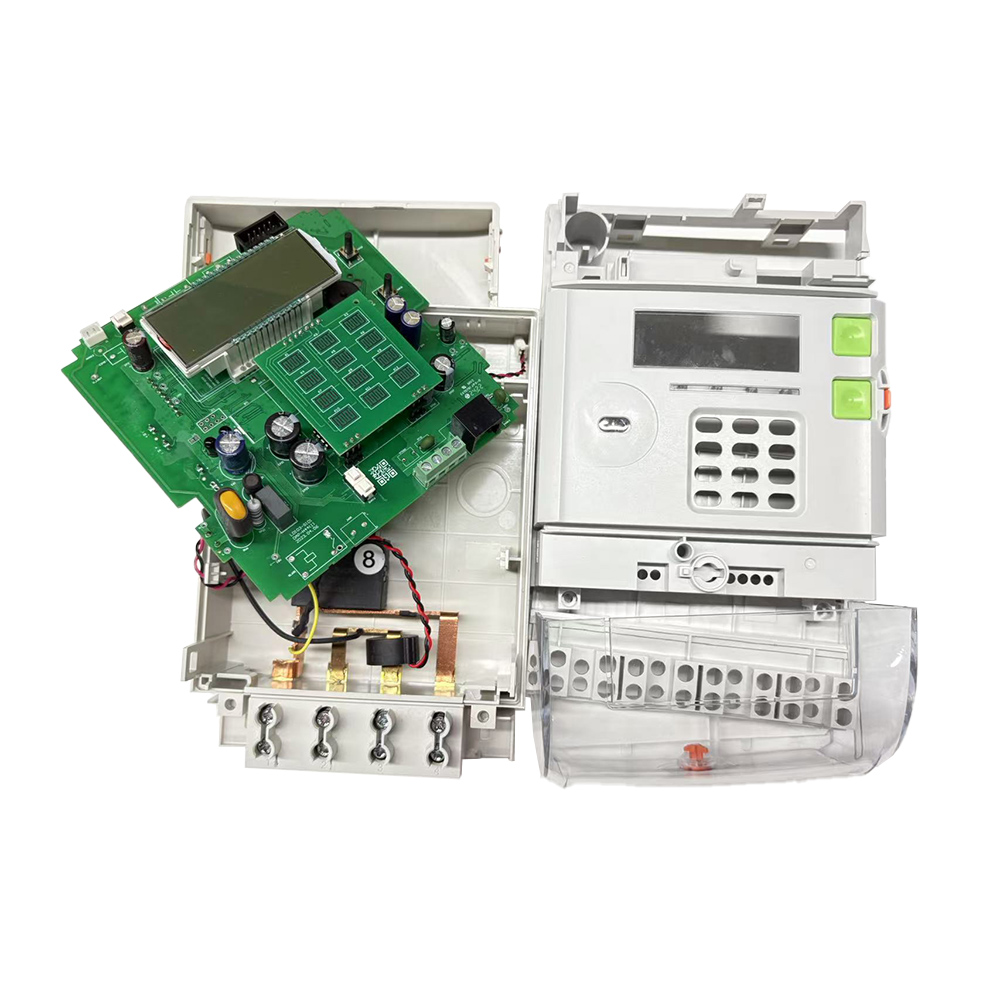
1. Privacy Concerns: Who Has Access to Your Data?
One of the most debated issues surrounding smart meters is data privacy. These devices collect granular energy consumption data, often at 15-30 minute intervals. While this helps optimize energy use, it also raises concerns:
- Behavioral Tracking: Smart meters can infer household activities—such as when residents are home, asleep, or using high-energy appliances.
- Third-Party Sharing: Utility companies may share anonymized data with third parties, including marketers or government agencies, without explicit consumer consent.
- Legal Loopholes: In some regions, regulations on smart meter data usage remain vague, leaving consumers vulnerable to misuse.
For Londian, ensuring compliance with GDPR (General Data Protection Regulation) or other local privacy laws is essential before deploying smart meters.
2. Cybersecurity Risks: Are Smart Meters Vulnerable to Hacking?
Smart meters are part of the Internet of Things (IoT), making them potential targets for cyberattacks. Key risks include:
- Remote Tampering: Hackers could manipulate meter readings, leading to incorrect billing or even energy theft.
- Grid Vulnerabilities: A large-scale cyberattack on smart meters could destabilize the power grid, causing blackouts.
- Lack of Encryption: Older smart meter models may lack robust encryption, exposing sensitive data.
Londian must invest in advanced encryption, regular firmware updates, and penetration testing to mitigate these risks.
3. Installation and Technical Challenges
Despite their benefits, smart meters face several practical hurdles:
- Compatibility Issues: Older homes may require electrical upgrades before installation.
- Signal Interference: In rural or densely built areas, weak connectivity can disrupt data transmission.
- Meter Malfunctions: Some users report inaccurate readings due to software glitches or hardware failures.
Londian should conduct pre-installation audits to assess infrastructure readiness and choose reliable smart meter providers.
4. Health Concerns: Do Smart Meters Emit Harmful Radiation?
Some consumers worry about radiofrequency (RF) radiation emitted by smart meters. While regulatory bodies like the FCC and WHO deem them safe, concerns persist:
- Electromagnetic Hypersensitivity (EHS): A small percentage of people report headaches or sleep disturbances near smart meters.
- Long-Term Studies: Limited research exists on prolonged RF exposure from smart meters.
Londian should consider customer education campaigns to address these fears and explore low-emission smart meter options.
5. Financial and Operational Drawbacks
While smart meters promise long-term savings, they also present financial challenges:
- High Initial Costs: Installation and infrastructure upgrades can be expensive.
- Billing Errors: Some users experience sudden spikes in their bills due to discrepancies in real-time monitoring.
- Consumer Pushback: Mandatory rollouts in some regions have led to public resistance.
Londian must weigh these costs against potential energy savings and customer satisfaction.
Conclusion: Should Londian Adopt Smart Meters?
Smart meters offer efficiency and sustainability benefits, but they also come with privacy risks, cybersecurity threats, installation challenges, and health concerns. For Londian, the key lies in:
Implementing strong data protection policies
Investing in secure, up-to-date technology
Educating consumers to alleviate fears
A phased, opt-in rollout with transparent communication may be the best approach for Londian to balance innovation and consumer trust.