


Smart Energy Meters: Revolutionizing Energy Management for a Sustainable Future
Introduction
In today’s fast-evolving energy landscape, intelligente Energiezähler have emerged as a cornerstone of modern utility management. Londianisches Unternehmen, a leader in innovative energy solutions, recognizes the transformative potential of these devices in optimizing electricity consumption, reducing costs, and promoting sustainability. This article explores the benefits, working mechanisms, and future trends of smart energy meters, providing valuable insights for businesses and homeowners alike.
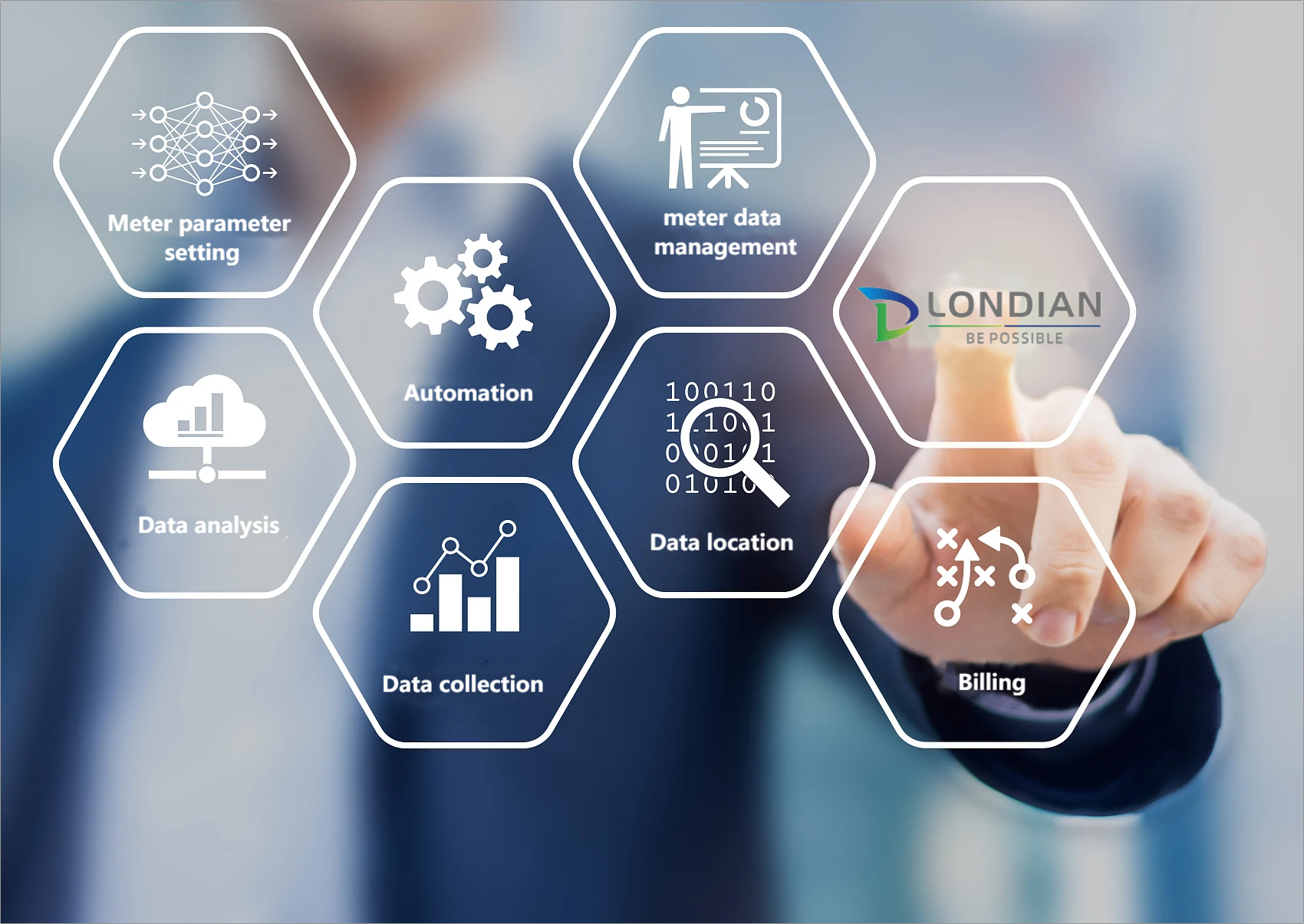
What Are Smart Energy Meters?
Smart energy meters are advanced digital devices that measure and record electricity consumption in real time. Unlike traditional meters, they enable two-way communication between consumers and utility providers, facilitating:
- Real-time energy monitoring
- Automated billing (eliminating manual readings)
- Demand-response programs (adjusting usage during peak hours)
- Integration with renewable energy sources (e.g., solar panels)
These features empower users to track and optimize energy use, leading to cost savings and reduced carbon footprints.
Key Benefits of Smart Energy Meters
1. Enhanced Energy Efficiency
Intelligenter Zähler provide detailed insights into energy consumption patterns, helping users identify wasteful habits. Studies show that households with smart meter reduce energy usage by 5-15% through behavioral adjustments.
2. Accurate Billing & Cost Savings
Manual meter readings often lead to estimation errors, causing billing discrepancies. Smart meters ensure precise, real-time data, eliminating overcharging and fostering transparency.
3. Improved Grid Management
Utility companies benefit from automated data collection, reducing operational costs and improving outage detection. Smart grids equipped with these meters can balance supply and demand efficiently.
4. Support for Renewable Energy Integration
As renewable energy adoption grows, smart meters facilitate net metering, allowing users to sell excess solar/wind power back to the grid, maximizing ROI on green investments.
5. Demand Response Optimization
By analyzing consumption trends, smart meter enable dynamic pricing models, encouraging users to shift usage to off-peak hours, lowering strain on the grid.
How Do Smart Energy Meter Work?
Smart meters operate via a secure wireless network, transmitting data to utility providers using:
- RF (Radio Frequency) communication
- PLC (Power Line Communication)
- Cellular networks (4G/5G)
They consist of:
Energy measurement unit – Tracks electricity flow
Kommunikationsmodul – Sends data to providers
User interface (in-home display) – Shows real-time usage
This seamless data exchange enables instantaneous monitoring and analytics.
Future Trends in Smart Metering Technology
1. AI & Machine Learning Integration
AI-powered smart meters will predict consumption trends, offering personalized energy-saving recommendations.
2. Expansion of IoT Connectivity
Smart meter will integrate with smart home devices (thermostats, EV chargers) for fully automated energy management.
3. Blockchain for Energy Trading
Decentralized energy markets will allow peer-to-peer electricity trading, with smart meter ensuring secure, transparent transactions.
4. Advanced Cybersecurity Measures
As cyber threats rise, next-gen smart meters will incorporate biometric authentication und quantum encryption to protect data.
Conclusion: Why Smart Meters Are the Future
Smart energy meter is revolutionizing energy management by enhancing efficiency, reducing costs, and supporting sustainability. Londian Company remains at the forefront of this innovation, offering cutting-edge smart metering solutions tailored to modern needs.
By adopting smart meter, businesses and consumers can lower energy bills, reduce waste, and contribute to a greener planet. The future of energy is smart—are you ready?